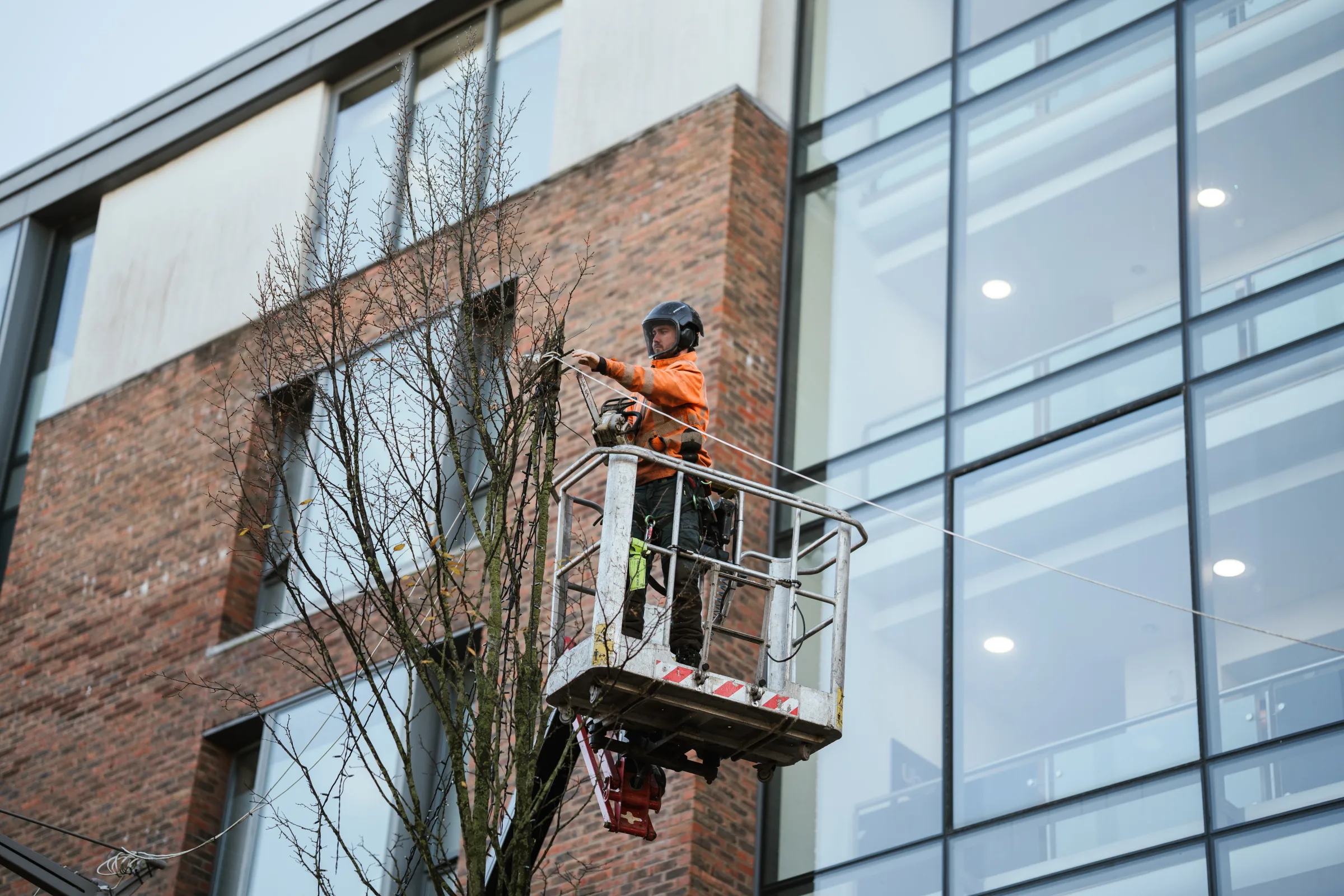
When a tree is causing problems — blocking light, overhanging a roof, or just getting too big — it’s easy to assume it has to go. Often it doesn’t. Here’s a plain-English guide to the main options.
Crown thinning
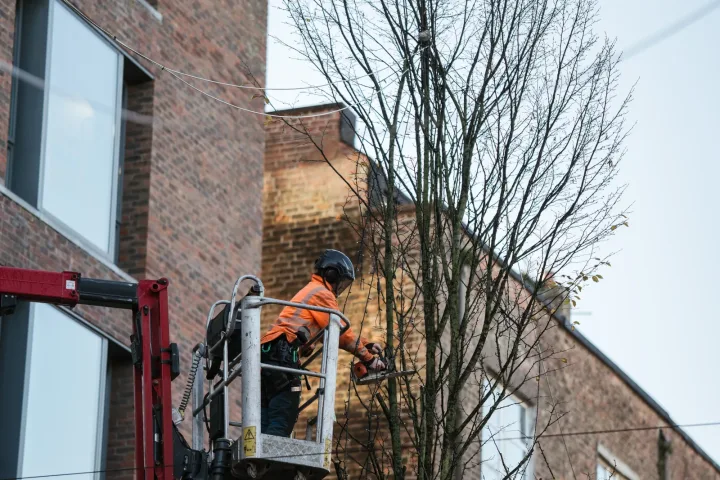
Thinning removes a proportion of the smaller branches evenly throughout the crown. The tree keeps its size and shape, but more light gets through and the crown catches less wind. It’s a good option for trees that make a garden feel dark.
Crown reduction
Reduction makes the whole crown smaller by shortening branches back to suitable growth points. It reduces height and spread while keeping a natural shape, and is often the answer for trees that have simply outgrown their space.
Crown lifting
Lifting removes the lowest branches to create clearance over a lawn, path, driveway or road. It’s a quick way to free up space under a tree without affecting the upper crown.
Deadwooding
Removing dead, dying and damaged branches improves safety and appearance, and is often combined with other work.
Felling
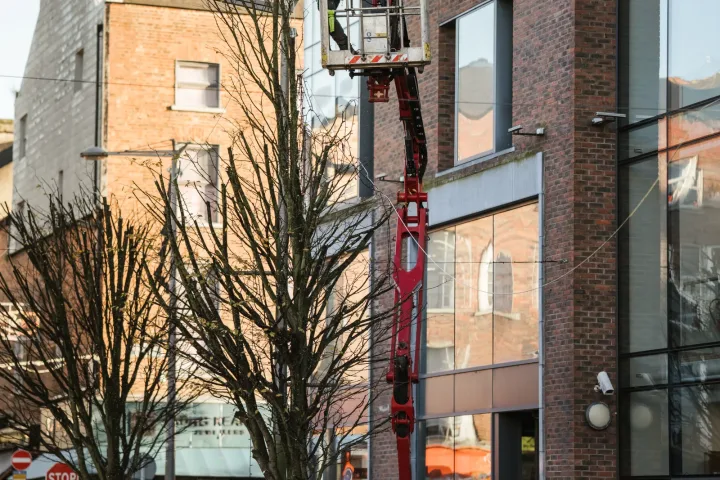
Removal is the right choice when a tree is dead, dangerous, seriously diseased, causing structural damage, or simply in the wrong place. Near buildings, felling is usually done in sections.
What about “topping”?
Cutting the top off a tree indiscriminately — topping or lopping — damages it, leads to weak, fast regrowth and often makes the problem worse within a few years. We don’t recommend it.
Not sure which you need?
Book a free site visit and one of our arborists will explain the options for your tree, with a clear quote for each.